
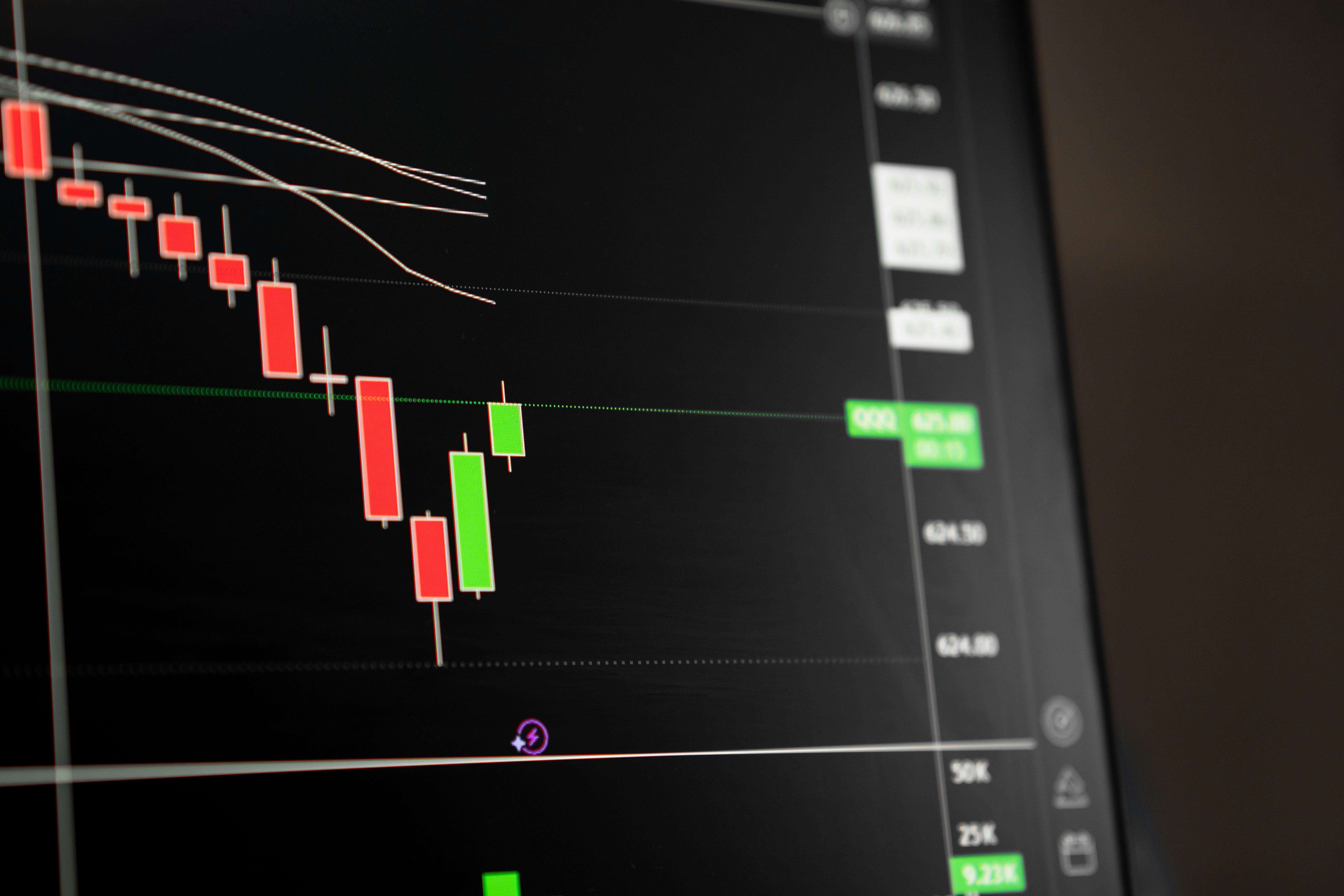
Crypto markets run continuously, including weekends and every American holiday. The absence of a close is not a convenience feature but a structural difference with real consequences.
Why there is nothing to close
An exchange session exists because a venue must reconcile books, settle trades through a clearing house and hand positions to the next day's operations.
Crypto venues settle internally and continuously, moving balances between accounts as trades occur, so there is no batch process that requires everyone to stop.
Decentralized venues could not close even if they wanted to. A contract accepts transactions whenever blocks are produced, and blocks are produced constantly.
Risk does not pause overnight
An equity position sits frozen while the market is shut, and a trader learns the damage at the next open. A leveraged crypto position can be liquidated at three in the morning.
This changes what position sizing means, since the relevant question is what happens while nobody is watching rather than what happens during the session.
Professional desks respond by staffing around the clock or by automating risk limits, both of which are costs that smaller participants cannot easily match.
There is no circuit breaker
American equity markets halt trading when moves exceed set thresholds, giving participants time to assess and reducing cascading forced selling.
Crypto venues generally have no such mechanism, so a sharp move runs through liquidations, which cause further selling, without an enforced pause.
Some venues intervene informally by pausing withdrawals or specific markets, which is discretionary and often arrives after the disorderly move rather than during it.
Liquidity still follows human schedules
Continuous trading does not mean uniform trading. Depth is thinnest during quiet hours, weekends and holidays, when market makers reduce exposure.
The same sized order therefore moves the price further on a Sunday morning than on a Tuesday afternoon, even though both are technically open.
Large moves often begin in those thin windows, because a given amount of selling meets less resistance and travels further before finding buyers.
The gap problem moves elsewhere
Because the underlying market never stops, listed products that track it inherit gaps instead. Their shares reprice at the open to absorb what happened while they were shut.
Futures on regulated American venues have their own maintenance breaks, which creates seams where the underlying keeps moving and the contract does not.
The discontinuity has not been eliminated by continuous trading, only relocated to whichever instrument still keeps business hours.