

Bitcoin Price Crash or Opportunity I’ve written a few hundred blog posts — some solid, some I’m quietly pretending never existed — but this question always comes back: when Bitcoin dips, is it panic time or shopping time? Because both crowds show up instantly. One yelling “it’s over,” the other yelling “buy the dip,” and me somewhere in the middle eating leftover pizza.
The First Bitcoin Crash I Actually Lived Through
I remember my first real Bitcoin drop. Like waves.
Nope. More like someone pulling a rug.
I checked my portfolio and said, out loud, to nobody:
“Well. That escalated quickly.”
Back then, I assumed every crash meant the end. Curtains. Lights out. Crypto museum coming soon.
But then something weird happened. A few weeks later… price stabilized. Then climbed. Then climbed more.
That’s when I started wondering — maybe crashes aren’t always disasters. Maybe they’re… resets? That sounds philosophical, but also slightly annoying.
The Data Part (But Don’t Worry, It’s Not Boring)
When people talk about “what data reveals,” I used to imagine spreadsheets and headaches. But it’s actually more like looking for patterns. Like noticing your dog gets excited every time you open the fridge.
1. Historical Recoveries
Bitcoin has crashed before. Many times. Dramatically.
And historically — not always, but often — it recovered.
This doesn’t guarantee anything, obviously. Past performance isn’t a crystal ball. But it does show that dips aren’t new.
I once looked at a long-term chart and realized:
“Oh… this thing has been through worse.”
That oddly calmed me down.
2. Long-Term Holders Don’t Always Panic
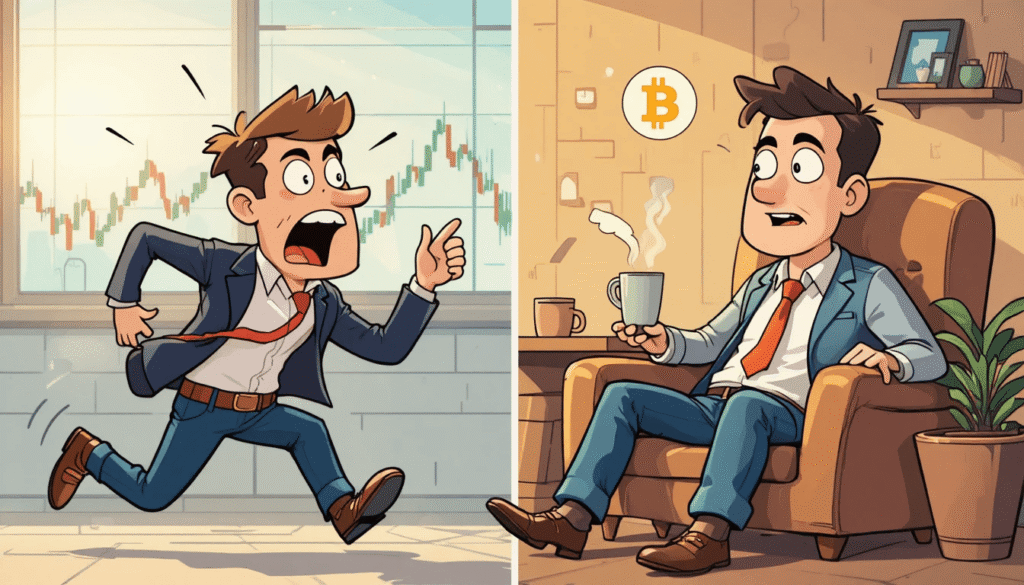
One interesting data point: during crashes, long-term holders often don’t sell. They just… sit there. Calm. Suspiciously calm.
I picture them sipping coffee while the rest of us refresh charts like caffeinated squirrels.
If long-term holders aren’t selling, some people see that as bullish. Less selling pressure. More stability.
The “Buy the Dip” Crowd (They Show Up Fast)
Every crash brings them. The optimists. The dip buyers. The people who sound oddly cheerful during chaos.
I admire their confidence. Slightly fear it too.
One friend texted me during a drop:
“Discount Bitcoin!”
I replied:
“It’s still expensive.”
He said:
“Less expensive.”
Hard to argue with that logic.
Volume Spikes During Crashes
Here’s something interesting: trading volume often increases when price drops. More activity. More decisions.
Some people panic sell. Others jump in.
It’s like a clearance sale — crowded, chaotic, slightly stressful.
Data-wise, high volume can mean strong interest. Even during fear. Which sometimes hints that the market is still alive and kicking.
Sentiment Swings (This One’s Funny)
When price drops, social media goes full drama mode. Headlines:
- “Bitcoin doomed”
- “Crypto winter forever”
- “This time different”
Then when price rises:
- “New bull run”
- “Moon incoming”
- “Should’ve bought”
Sentiment flips faster than pancakes. And data actually tracks this. Fear indexes. Optimism indexes. It’s wild.
Sometimes extreme fear has historically lined up with buying opportunities. Not always. But sometimes.
The Psychological Trap I Fell Into
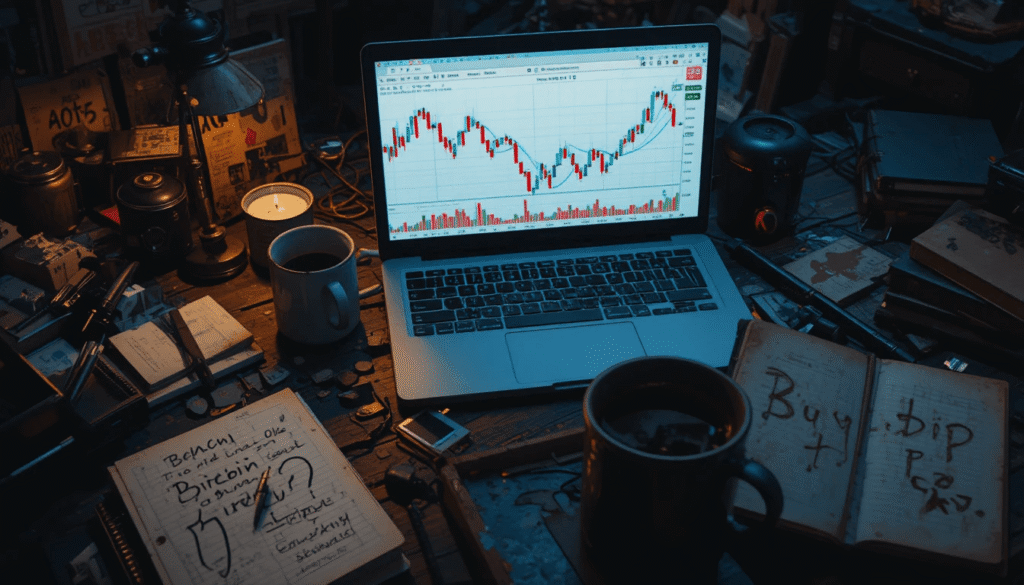
I once sold during a dip because I was convinced it would keep falling. Then it bounced. Quickly.
I stared at my screen thinking:
“Well. That was… poorly timed.”
That’s the danger. Emotion-driven decisions.
Data can help — not perfectly — but it gives context. Without it, you’re just reacting to red candles.
Signs a Crash Might Be an Opportunity
From a casual, non-expert perspective, I sometimes look for:
- Strong historical support levels
- Long-term holders not selling
- High volume during drop
- Extreme fear sentiment
When these align, some people interpret it as potential opportunity.
But again — not guaranteed. Markets love surprises.
Signs a Crash Might Be… Just a Crash
Sometimes drops happen for reasons that take time to recover:
- Major negative news
- Regulatory uncertainty
- Macro economic stress
- Broader market downturns
In those cases, recovery might not be immediate.
Which is why calling every dip an opportunity can be risky.
My Totally Imperfect Thought Process
When Bitcoin drops, my brain goes:
- Panic (briefly)
- Check data
- Read opinions
- Get confused
- Drink coffee
- Wait
Waiting is underrated.
Zooming Out Changes Everything
Short-term crashes look dramatic. Zoom out on a long-term chart and they look… smaller. Still noticeable, but less terrifying.
Perspective matters. A lot.
I once zoomed out and literally laughed. I had been stressed over a dip that barely showed up on the bigger timeline.
Humbling.
Why Some People Love Crashes
This surprised me. Experienced investors sometimes welcome dips. Lower entry points. Less hype. More accumulation.
It’s like shopping during off-season sales. Not glamorous. But practical.
I’m not always brave enough to think that way. But I get it.
Suggested Outbound Links
- https://waitbutwhy.com (great for deep thinking with humor)
- https://knowyourmeme.com (because crypto emotions are basically memes)
Final Thought (More Like Me Thinking Out Loud)
Bitcoin price crashes feel dramatic. Emotional. Loud. But data often shows they’re also part of the cycle — fear, correction, recovery, repeat.
Sometimes a crash is just… a crash.
Sometimes it’s an opportunity in disguise.
Most of the time? It’s somewhere in between.
I’ll probably keep checking charts at midnight, asking myself the same question, and texting friends:
“Crash or opportunity?”
They’ll reply:
“Depends.”
And honestly… that’s probably the most accurate answer there is.