

A Crypto Wallet Basics is basically this digital thing that lets you stash your Bitcoin or Ethereum without some bank telling you what to do, and man, when I first got into it around 2021, I legit thought it was like an app that literally held the coins inside it. Like, digital cash in a virtual pocket or something. Total idiot move on my part—I’m cringing just typing this from my apartment in Austin, it’s January 5th, 2026, and the heater’s rattling like crazy while my coffee’s getting cold again next to my laptop.
Truth is, a Crypto Wallet Basics doesn’t actually store your crypto the way a real wallet holds bills. Your coins are chilling on the blockchain forever, and the wallet’s just your set of keys to unlock and move ’em. Private keys are the big secret—you lose those, or someone snags ’em, and it’s game over. Public address is the one you share, like your email for receiving funds. I almost fell for a phishing scam early on, clicked a fake “wallet update” link, heart pounding, thinking I’d lost everything. Luckily it was just a test amount, but yeah, sweaty palms moment.
Why Picking the Right Crypto Wallet Freaked Me Out at First
Anyway, diving into types of crypto wallets—there’s hot and cold, and figuring that out was a game-changer for me.
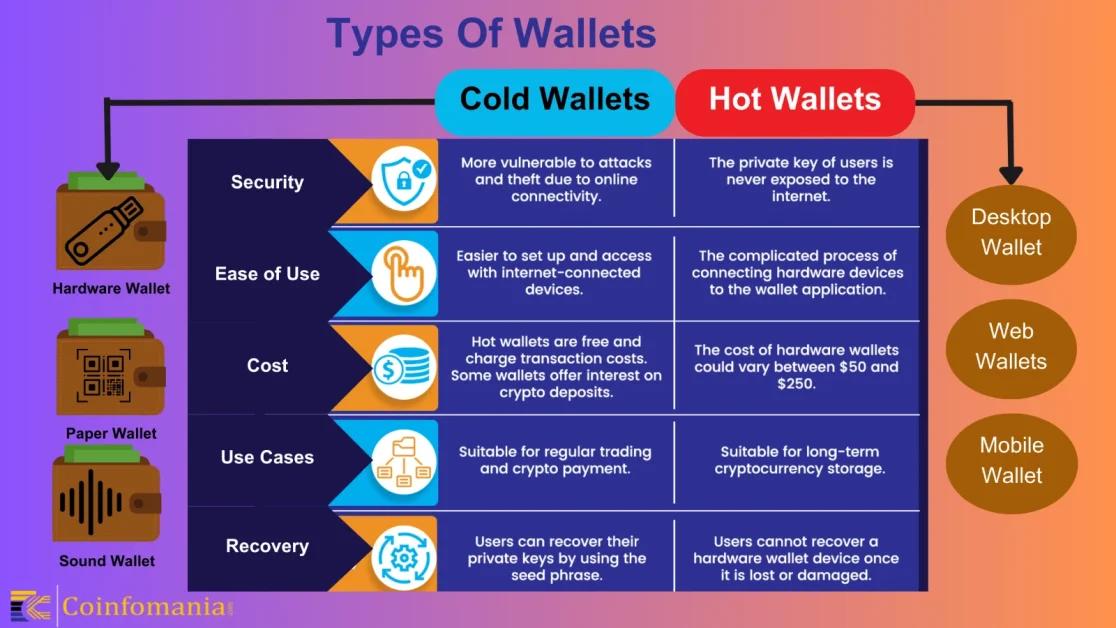
Hot wallets are online, always connected, perfect for quick trades or spending. I started with MetaMask ’cause it was everywhere on X back then.
Super convenient, free, but if your device’s compromised? Gone. I keep small amounts there now for DeFi stuff or whatever, but only after I got lightly burned once. Not fun.
Cold wallets are offline, way safer for holding. I finally got a Ledger Nano X in 2024 after watching too many hack stories.
Solid beginner guide over at Ledger’s site: https://www.ledger.com/academy/crypto/what-is-a-crypto-wallet

What To Expect When Getting Your Wisdom Tooth Removed.
Trezor’s another good one, more open-source vibes. Quick comparison if you’re shopping: https://www.investopedia.com/best-crypto-wallets-5079653
That Seed Phrase Nightmare in My Crypto Wallet Life
The seed phrase, though—that 12-24 word backup for your crypto wallet? It’s literally your lifeline. Lose it and no seed, no recovery. No bank to call, nothing.
I wrote mine down on some scrap paper first time, then misplaced it during a chaotic move across Texas. Full panic mode in the moving truck, swearing up a storm. Turned out it was a empty wallet for testing, but I felt like such a moron. Now I use metal backups, overkill maybe?
Never screenshot or store online. Coinbase explains it pretty straight: https://www.coinbase.com/learn/crypto-basics/what-is-a-crypto-wallet
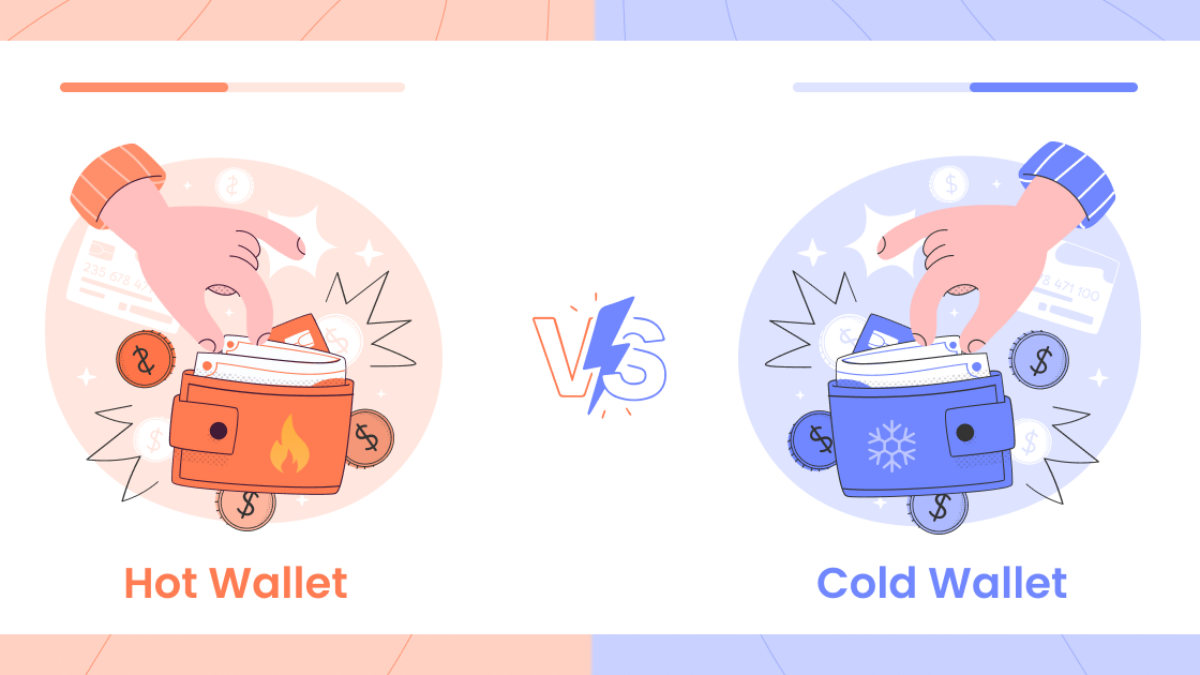
Hot Wallet vs Cold Wallet: My Still-Confused Take for Crypto Wallet Newbies
Quick messy list I wish I had day one:
- Hot wallets (MetaMask, Trust Wallet, even exchange apps): Fast, easy, great for everyday. But hackable—seen friends lose stacks.
- Cold wallets (hardware like Ledger/Trezor, or paper): Fort Knox level for hodling. But lose the device without backup? Oof.
Something visual to make it click:
Deeper dive here: https://www.gemini.com/cryptopedia/hot-wallet-vs-cold-wallet
I use both now—hot for fun money, cold for the real savings. Kinda contradictory, but hey, that’s how I roll in this wild space.
Okay, Wrapping Up This Crypto Wallet Mess
I’m just some average guy in the US who’s tripped through a couple market cycles, spilled actual coffee on my keyboard during a dip (true story), and still somehow hanging on. A Crypto Wallet Basics hands you real control, but the responsibility? Heavy, dude. Start tiny, practice with fake transactions, backup obsessively.