

So… How Bitcoin Price Is Affected by ETFs and Regulations — I didn’t expect to learn this while waiting for a sandwich, but here we are. The guy behind the counter had CNBC playing, and someone on TV said something about Bitcoin jumping because of ETFs. I nodded like I understood. I did not understand.
Then my friend texted me:
“Why did Bitcoin move today?”
I typed: “ETFs probably.”
He replied: “What’s that?”
And I realized… I had no idea how to explain it without sounding like a financial robot. Which is dangerous, because once you start saying things like “liquidity inflows,” people slowly back away.
I’ve written a few hundred blog posts — some solid, some I pretend never happened — but explaining ETFs and regulations in normal human language? Weirdly hard. But I’m trying. Messy attempt incoming.
The First Time I Heard About a Bitcoin ETF
I remember hearing “Bitcoin ETF” and thinking it sounded like a gym class. Like “Extreme Training Fitness.”
It is not that.
Basically — and I’m oversimplifying here — a Bitcoin ETF lets people invest in Bitcoin through regular stock accounts. No wallets. No crypto exchanges. Just click buy like you would any stock.
That’s it.
And suddenly… a lot more people can access Bitcoin.
Which matters. A lot.
Why ETFs Can Push Bitcoin Price Up (Sometimes)
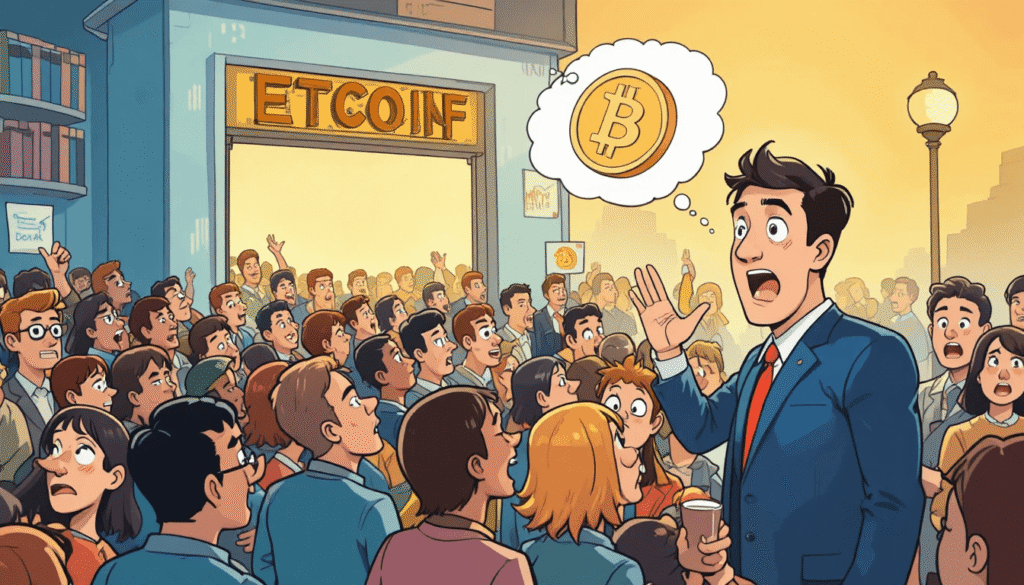
Imagine Bitcoin is a small concert venue. Limited seats. Suddenly, a huge group of people shows up because tickets are now sold on a popular website.
Demand increases. Seats limited. Price goes up.
That’s kinda what happens when ETFs enter the picture.
More access = more buyers = potential price pressure upward.
I once tried explaining this to my cousin and he said:
“So it’s like when sneakers drop online?”
Yes. Exactly. Same chaos. Less resale bots (hopefully).
But It’s Not Always Straightforward (Because Nothing Is)
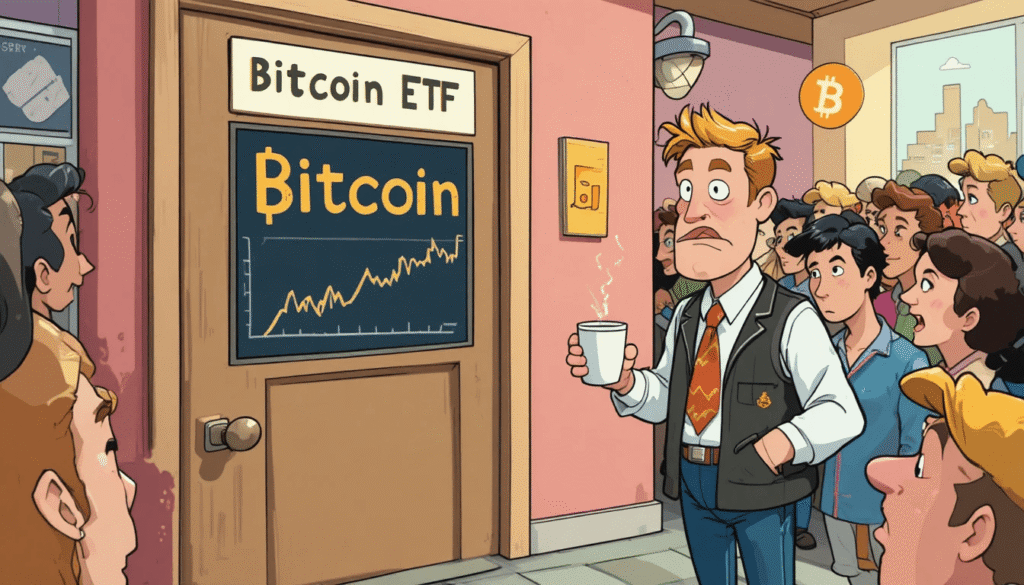
Here’s the messy part. Sometimes ETFs get approved and price still drops. Which feels unfair.
You think:
“Good news. Why not moon?”
But markets are weird. People sometimes buy the rumor and sell the news. Which sounds like something a fortune cookie would say, but it’s real.
I’ve seen Bitcoin climb before ETF announcements… then dip after.
It’s like planning a party for weeks and then being too tired to enjoy it.
Regulations… The Word That Makes Everyone Nervous
Okay. Regulations. Not exciting. But very important.
Whenever new rules around crypto appear, Bitcoin price reacts. Sometimes up. Sometimes down. Always dramatically.
I once checked my phone after lunch and saw Bitcoin drop. I thought:
“Did something break?”
Nope. Just regulatory news.
It’s wild how much influence policy can have.
Why Positive Regulations Can Be Bullish
When governments create clear rules, big investors feel safer. Less uncertainty. Less “what if this gets banned tomorrow?”
More confidence → more participation → potential price support.
It’s like installing traffic lights at a busy intersection. People drive more comfortably.
I didn’t understand this until I heard someone say:
“Institutions like clarity.”
Makes sense. Nobody invests billions based on vibes.
But Negative Regulations… Yeah, Those Hurt
If there’s talk about restrictions, tighter rules, or bans — markets get nervous.
I once watched Bitcoin dip just from rumors of stricter regulation. Rumors! Not even confirmed.
Markets react fast. Sometimes too fast.
It’s like hearing thunder and assuming the storm already started.
ETFs + Regulations Together = Maximum Chaos
When ETF news and regulation news hit at the same time… things get messy.
You might see:
- ETF approval (bullish)
- New regulation concerns (bearish)
Result? Confusion. Volatility. Charts that look like someone spilled coffee on them.
I’ve literally watched price move up and down within minutes after mixed news.
It’s exhausting. But fascinating.
The Institutional Money Factor
Here’s where ETFs really matter. They allow big institutions — pension funds, asset managers — to get exposure easily.
More institutional money can mean:
- Increased demand
- Greater liquidity
- Potentially less extreme volatility (sometimes)
I say “sometimes” because Bitcoin still loves drama.
Always.
The Psychological Effect (Underrated But Real)
Even the idea of ETFs or friendly regulations can boost confidence.
People think:
“Big players entering? Must be legit.”
Confidence alone can move markets.
It’s like a restaurant getting featured in a magazine. Suddenly everyone wants to try it.
My Totally Imperfect Mental Model
When I casually think about how Bitcoin price is affected by ETFs and regulations, I picture:
ETFs = more doors opening for buyers
Regulations = rules of the game becoming clearer (or scarier)
If doors open and rules feel friendly → bullish vibe
If doors close or rules tighten → cautious vibe
Simple. Not perfect. But helpful.
The “I Overreacted” Moment
I once sold some Bitcoin after reading scary regulation headlines. Then a week later, positive ETF news came out and price bounced.
I just stared at my screen like…
“Well. That was unnecessary.”
Markets punish emotional reactions. Repeatedly.
Suggested GIF Spot
👉 Insert GIF of someone reading news headlines and panicking — perfect for ETF/regulation reactions.
Why This Matters Long-Term
Short-term price swings are chaotic. But long-term, ETFs and regulations help shape Bitcoin’s path.
More access through ETFs → broader adoption
Clearer regulations → institutional comfort
Both can support long-term growth… even if short-term moves are messy.
Suggested Outbound Links
- https://waitbutwhy.com (great long-form explanations)
- https://knowyourmeme.com (for emotional crypto humor context)
Final Thought (More Rambling Than Conclusion)
Bitcoin doesn’t move randomly — even though it sometimes feels like it. ETFs bring more buyers into the room. Regulations change how safe people feel staying in that room.
Some days that combination pushes price up. Other days it creates uncertainty. Most days? A mix of both.
I’ll probably keep checking charts after reading ETF headlines, pretending I understand everything, then texting friends:
“Looks bullish?”
They’ll reply:
“Maybe.”
And honestly… that’s usually the most honest answer.